
In my practice I find that, inexplicably, I’ll get a handful of clients needing help around the same issue at the same time. It’s rather like city buses – somehow all the buses get scrunched up and they all arrive at the same time.🤣 Anyway, of late I’ve been working with a few women who are suffering from back-to-back-(to-back?) urinary tract infections. They come to me after a couple of rounds of antibiotics from their doctors don’t seem to address the problem long-term. The good news? There are holistic strategies that can help your body return to balance and ward off future infections. Chronic UTIs? Read on for relief…
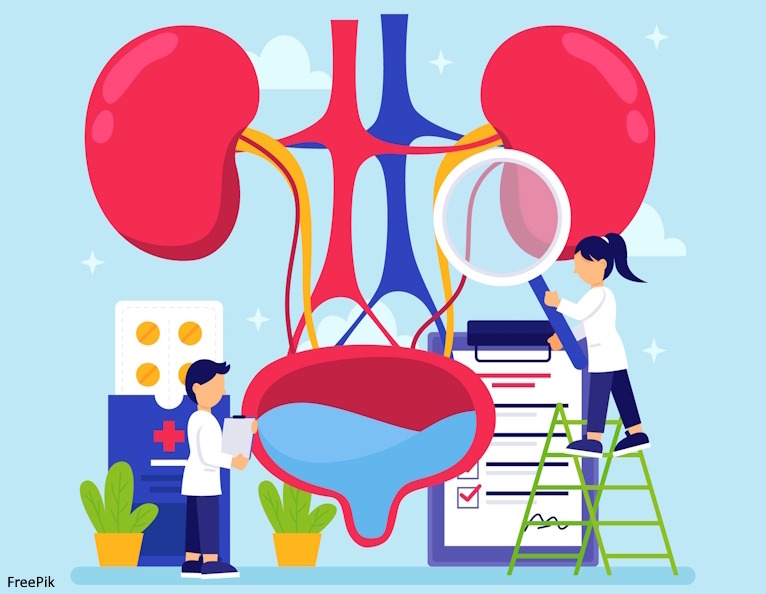
Cause and Symptoms of UTIs
UTIs are generally bacterial, usually Escherichia coli (E. coli), though other strains may sometimes be the culprit. Women are far more likely to suffer from UTIs than men due to women’s anatomy in the vaginal/urinary region: the moist environment, proximity of the urethral opening to the rectum, and the relatively short length of the urethra itself.1 As such, risk factors for infection include using menstrual pads, wearing unbreathable underwear or panty hose (does anyone wear those anymore?), and “wiping” from front to back instead of vice versa. Usage of oral contraceptives increases risk of UTI. There’s also an increased risk of infection following intercourse.1 For that reason it’s suggested to urinate after sex to flush out the area. In short, keeping the area clean and dry can help reduce the chance of infection.
Mild cases of urinary tract infection may be asymptomatic. Often the first sign of trouble is mild irritation, pain, or tingling in the urethral area, especially when urinating. The urine may be cloudy and/or thick. In more severe cases there may be abdominal pain and there may be blood in the urine. Technically speaking, there are two types of lower UTIs*: cystitis which is inflammation and infection of the bladder, and urethritis, which, as the name implies, is irritation of the urethra. The latter tends to be characterized by painful urination.
When conventional care falls short
As I mentioned in the opening paragraph, I typically see clients after they’ve had a slew of chronic UTIs that their doctors have treated each time with stronger and stronger antibiotics. They are frustrated because the infections return, and they may become resistant to the drugs. In my opinion, for the occasional UTI an antibiotic is a great first line of defense along with lifestyle strategies to prevent recurrence. But once the infections become chronic, it’s clear that the antibiotics aren’t resolving an underlying problem, and they may actually be harming the body in other ways. Enter herbs and lifestyle interventions to break the cycle of chronic UTIs.
(What’s all the hype about) Cranberry Juice
Undoubtely you’ve heard that cranberry juice helps with UTI prevention. Well, it depends on who you ask. Not surprisingly, conventional medicine doctors eschew the use of cranberry juice over more aggressive treatments (the aforementioned antibiotics for remediation, or estrogen cream for prevention). Holistic practitioners, including myself, do see the value in using cranberry juice prophylactically. Naturopath Dr. Jillian Stansbury indicates that cranberries are high in disinfecting phenolic compounds2, and Herbalist/Midwife/MD Aviva Romm suggests that research shows that two compounds in cranberry juice prevent E. coli from adhering to the lining of the urinary tract1.
There’s a catch, though. You have to drink pure cranberry juice, which is very tart. Because of that, most cranberry juice products are diluted with sweeter juices or even added sugar to cut the tartness. Look for a pure source of cranberry juice, which you can tell by reviewing the ingredients and also noting the higher price.

If a daily dose of pure cranberry juice isn’t your cup of tea, so to speak, there are some good quality capsules with concentrated cranberry compounds in it. Utiva Cranberry PACs have a therapeutic dose of Proanthocyanidins (PACs) in a daily capsule. Theralogix TheraCran is another solid product.
Herbs for Chronic UTIs
When addressing chronic UTIs with herbs, it’s important to select a variety of herbs that do different things. For example:
Urinary Antimicrobials
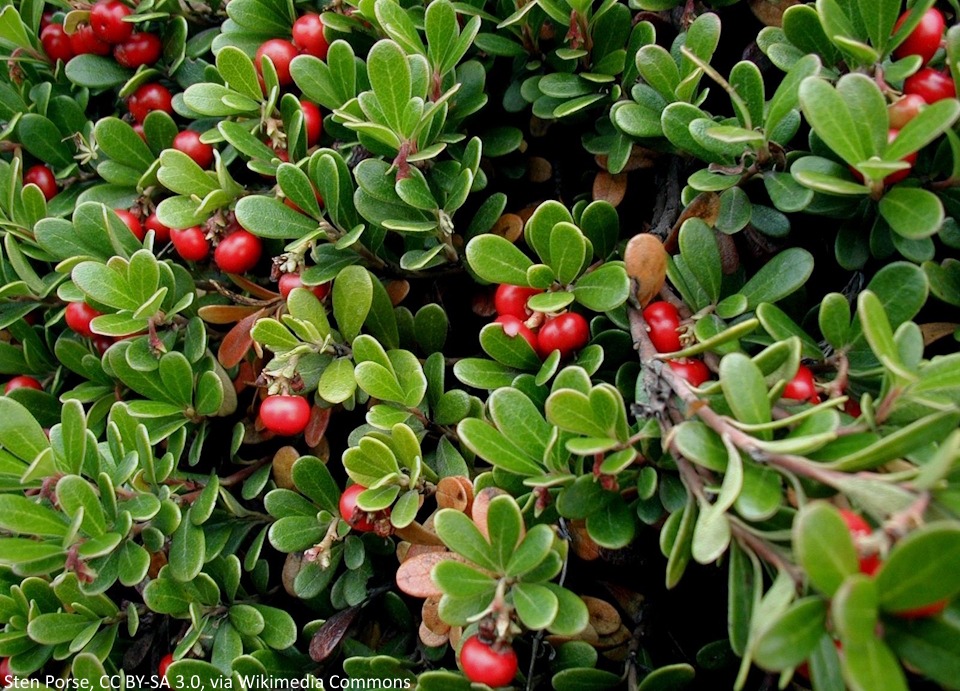
To directly attack and defend against E. coli and other bacteria, herbs that are considered urinary antimicrobials are indicated. Uva-ursi (Arctostaphylos uva-ursi), also known as bearberry, is the most common herb used traditionally for this purpose. Modern study reveals that uva-ursi contains arbutin, a phenol metabolized into hydroquinone, which is a known antiseptic.
Another useful urinary antimicrobial is Oregon grape root (Mahonia aquifolium) due to its berberine content. Generally, Oregon grape root supports detoxification and cleansing of the urinary and digestive systems, which helps to clear out waste products as a result of the infection.
Diuretics
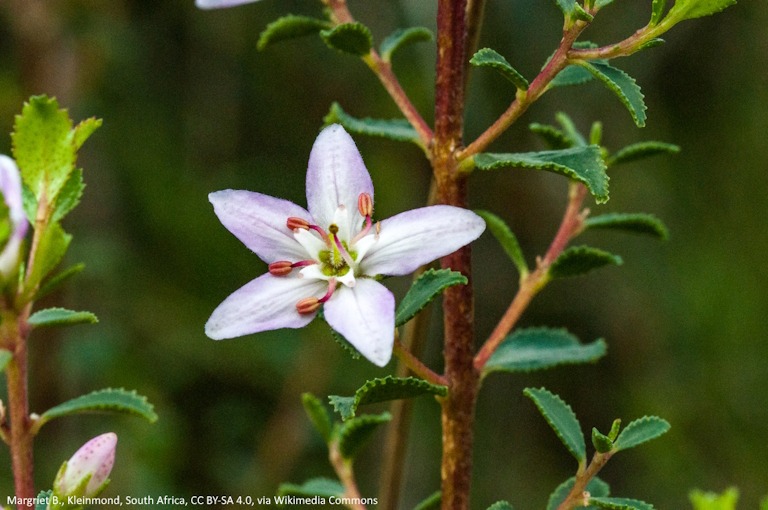
To help flush the urinary system in order to expel pathogens and associated waste products, gentle diuretics are indicated. Buchu (Agathosma betulina) is a flowering plant that’s both diuretic and antiseptic to the bladder. The more well-known dandelion (Taraxacum officinale) leaf is another great choice for an herbal diuretic. Note that dandelion leaf is used for this purpose. Dandelion root is primarily used as a liver and detoxifying tonic, and is less diuretic than the leaf.
Systemic Immune Support
Another avenue for UTI (and other infection) prevention is to use systemic immune-boosting herbs. My favorite, all-purpose immune-stimulant herb is astragalus root (Astragalus membranaceous). An Ayurvedic herb in the bean family, astragalus strengthens the immune system over time. That is, you must take it prophylactically BEFORE an infection to experience its benefits.
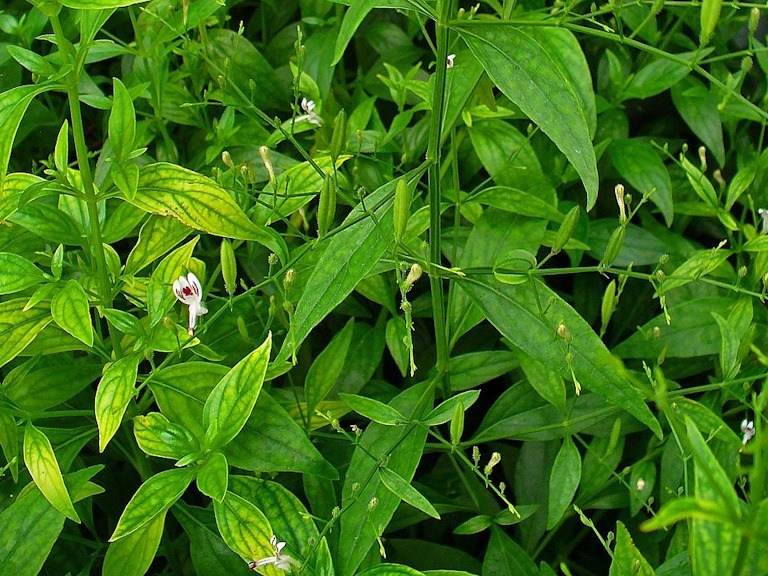
Another one of my favorite all-around immune-stimulant herbs that is useful in the presence of infection is the lesser-known andrographis (Andrographis paniculata). (You thought I was going to say echinacea, I bet. I think of echinacea as more for respiratory infections. You can read more about my thoughts on echinacea here.) Anyway, andrographis, another Ayurvedic herb, is great for attacking an infection by way of upregulating your own immune system to fight its own battle. It also has some direct antimicrobial activity, but I believe andrographis’s strength is in strengthening you.
Urinary Analgesics
Sometimes UTIs are accompanied by abdominal pain, or painful urination. In these cases, analgesics with an affinity for the urinary tract are indicated. Agrimony root (Agrimonia eupatoria) is one such herb that can reduce inflammation of the bladder and urethra, and reducing irritation and burning during urination3.
Similarly, cleavers (Galium aperine) is also useful for reducing inflammation and irritation of the bladder, urethra, and ureters. Cleavers is another mild diuretic and lymphatic3, which helps fluid movement around the body, further assisting in removing waste products from an infection.
A bonus herb that may also help with generalized pain from a UTI is kava (Piper methisticum). Kava is considered a soporific, which helps to relax a tense body, thereby reducing soreness from spasms and tightness
Demulcents
Last but certainly not least, are the soothing herbs – demulcents. When I teach my herbal classes, I like to say that “demulcent” is just a fancy word that means “slimy”. Demulcent herbs produce a thick, slimy tea (or tincture) that coats irritated tissues, reducing inflammation and pain topically.
Marshmallow root (Althea officinalis) is one of the more popular demulcent herbs. (It’s unrelated to those white, puffy, sugary treats.) Slippery elm bark (Ulmus rubra) is another one, but the tree it comes from is endangered, and so I tend to use marshmallow root instead.
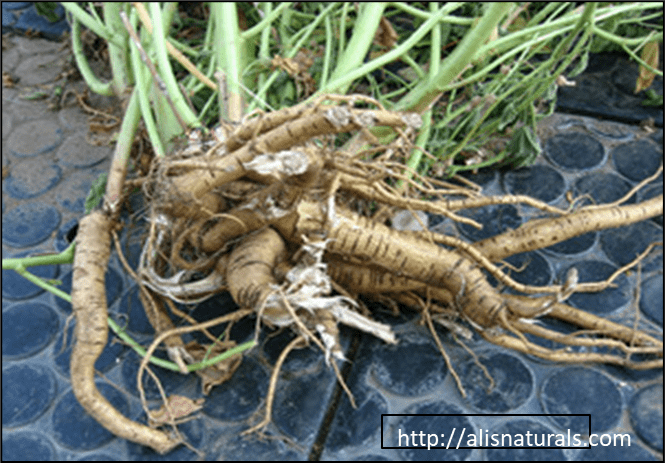
Marshmallow tea is best when doing a cold infusion because the inulin (the slimy stuff) extracts best in cold water. Steep the dried root in water in a mason jar overnight in the refrigerator. Strain and drink throughout the day, being sure to avoid drinking a few hours before/after taking medication. Marshmallow root may inhibit the absorption of some drugs.
Restoring the Gut Flora
After multiple rounds of UTI-fighting-antibiotics I recommend a high dose of a quality probiotic. This is to help restore beneficial gut and intestinal flora that were destroyed by the bombardment of antibiotics. In terms of a quality probiotic, here’s what I look for:
- Multiple strains of bacteria for more ‘broad spectrum coverage’
- Look for signs that the bacteria are viable (live) – refrigerated products, or products that describe their preparation and preservation method to ensure viability
- Price matters: a good probiotic will cost at least $1/day.
- Look for a dosage of 50-80 billion colony forming units (CFUs) initially. Once balance is restored, a daily maintenance dose of 10-20 billion CFUs is sufficient.
Innate Response carries a nice, high-dosage, good quality probiotic that meets the criteria I outlined. There are others.
Side note: Some practitioners swear by ‘spore-based’ probiotics as being better. I could personally go either way. A good spore-based one that I like are: Just Thrive.
Side note #2: You can take a probiotic while still being on an antibiotic. Just be sure to stagger the doses a few hours from each other, else your antibiotic will wipe out the probiotic with the rest of the infection.
Other lifestyle habits – putting it all together
I’ve covered a lot of ground in this article, so you may be feeling a little overwhelmed. (Indeed, I became a bit overwhelmed while writing it!) Let me sum it all up for a solid, general plan to help avoid chronic UTIs in the future.
- Be sure to stay hydrated to keep your urinary system lubricated. Although Dr. Stansbury suggests that drinking too much water can actually irritate the tissues.2
- Avoid excess sugar in your diet, as sugar feeds the bacteria growing in your system.
- Keep the area clean ‘down there’: wiping front to back, replacing menstrual pads frequently, wearing breathable undergarments, drying off after exercise, and urinating after intercourse.
- Incorporate a daily source of cranberry juice, whether it’s the pure juice or a concentrated tablet.
- Use combinations of herbs from each of the categories listed above for full-spectrum support. Dr. Stansbury makes a note of using herbs in tea form to keep a ‘steady stream’ of herbs going through your urinary system2.
Still want more targeted help for your individual situation? I’d be happy to work with you personally. Request a consultation here.

*There’s a third type of UTI, categorized as an upper UTI known as pyelonephritis, which is a more serious type of UTI that is outside the scope of this article. For severe urinary symptoms in conjunction with systemic symptoms such as fever, chills, and nausea, seek medical assistance immediately.
**I don’t receive any compensation from any of the products I suggested. I just think they are good quality, and I mention them to help the reader sift through the wide range of supplements out there.
References
- Romm, A. (2018) Botanical Medicine for Women’s Health, Second Edition
- Stansbury, J. (2018) Herbal Formulations for Health Professionals, Volume 1: Digestion and Elimination
- Winston, D. (2024) Herbal Therapeutics: Specific Indications for Herbs and Herbal Formulas